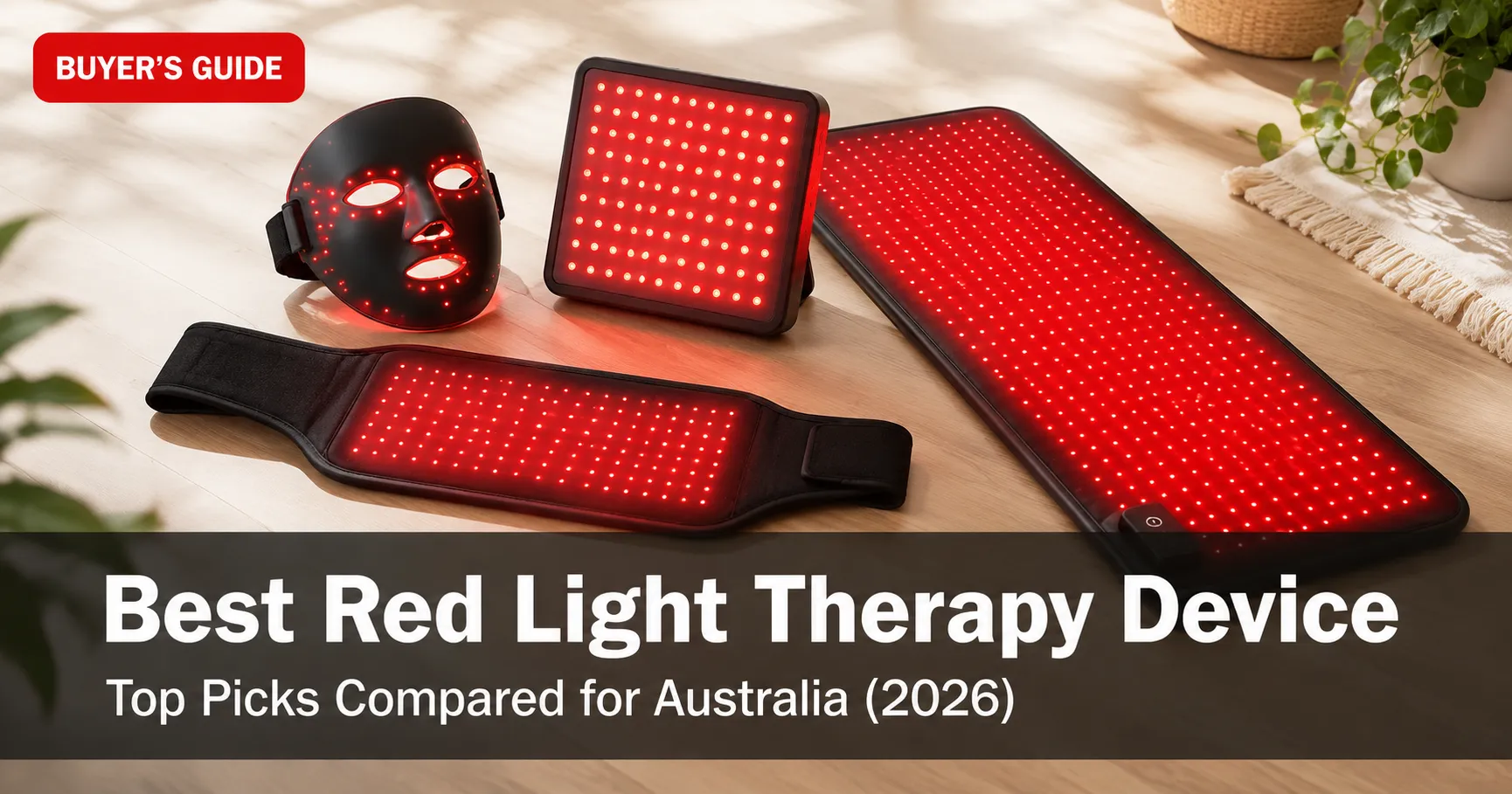
Looking for the best red light therapy device in Australia — but unsure what actually separates a good one from an overpriced gimmick? With prices ranging from budget face masks to premium full-body panels, and dozens of brands all claiming to be "the best," it's easy to get lost in marketing rather than substance.
This guide breaks the decision down by what actually matters — wavelengths, disclosed specs, registration status, and coverage — and compares each device category so you can choose with confidence, not guesswork.
What Actually Makes a Red Light Therapy Device "The Best"?
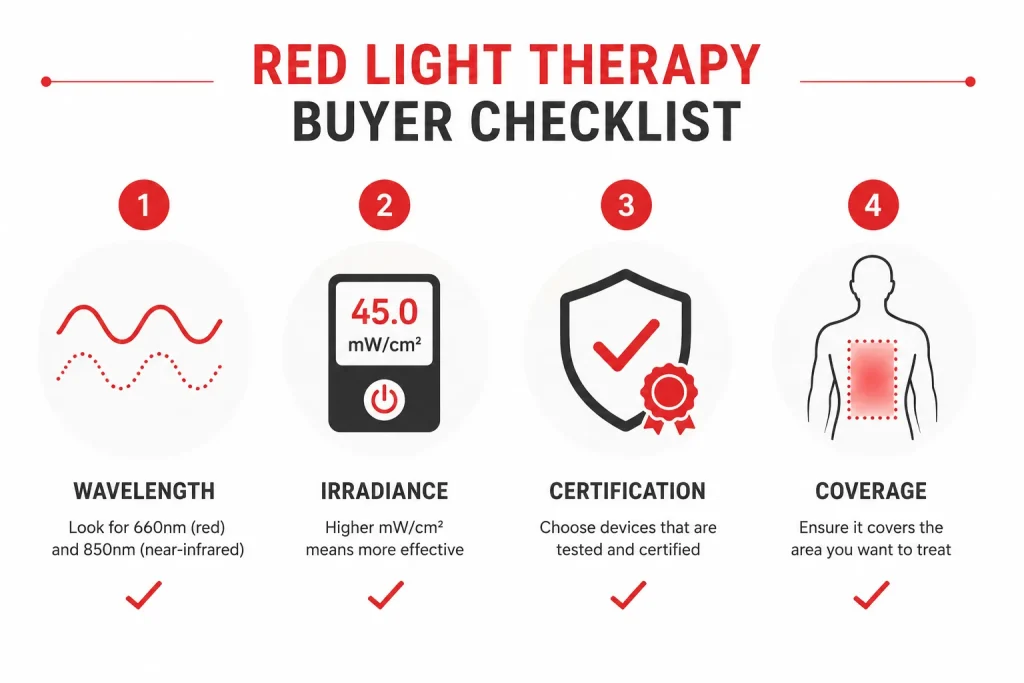
Before comparing device types, it's worth being clear about what separates genuine quality from clever marketing. A handful of criteria matter far more than the rest:
1. Verified wavelengths — A quality device delivers 660nm red light and 850nm near-infrared light, the pairing with the most consistent research behind it across the category. Some devices add supporting colour modes on top, but these two wavelengths are the baseline worth checking first. (We've broken this down further in our 660nm and 850nm buyer's guide.)
2. Disclosed irradiance — Measured in mW/cm², irradiance tells you how much light energy actually reaches your skin, and it matters more than LED count, which brands often lean on to look impressive without disclosing real output. Ask any seller for this number at a stated distance, and treat a refusal to share it as more telling than any number they do print. We're not going to hand you a single "good" threshold here — published benchmarks vary a lot depending on who's citing them, and quoting one with more confidence than the data deserves isn't something we're going to do.
3. TGA / ARTG status (Australia-specific) — In Australia, a device is generally expected to sit on the Australian Register of Therapeutic Goods (ARTG) if the seller is making specific therapeutic claims about it. That's a genuine assessment process, and it's a strong trust signal where it applies. It isn't required for every device on the market, though — plenty of well-specified home wellness devices, including our own belt and mat, are sold as general wellness products rather than registered medical devices, and that's a legitimate category too. What actually matters is whether a seller's claims match their real registration status. We've written a full breakdown of what "medical grade" and TGA/ARTG status genuinely mean, and how to check any specific claim yourself, in our guide to medical grade red light therapy devices.
4. Coverage matched to your goal — The "best" device isn't universal — it depends entirely on what you're using it for. A device that's excellent for full-body sessions may be the wrong choice for a specific, focused area, and vice versa.
5. Warranty and local support — Look for a published warranty period, and ideally a brand that ships from and supports customers within Australia, rather than an overseas-only seller with limited returns.
Device Categories at a Glance
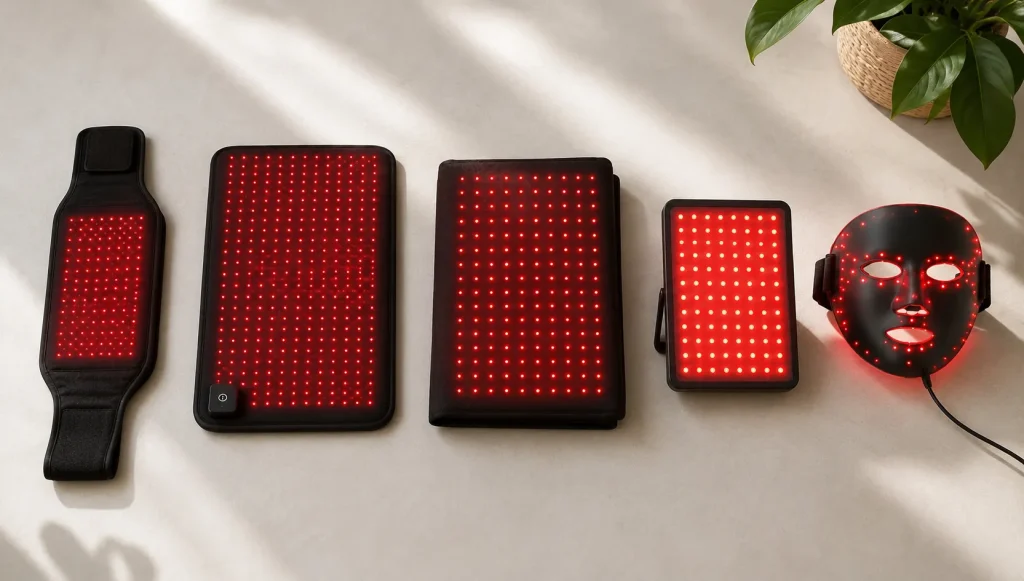
| Category | Coverage | Hands-Free? | Best Suited To |
|---|---|---|---|
| Belt | One focused area at a time | Yes | A specific area, portability, sitting or relaxing |
| Mat | Larger area, lying down | Mostly | Broader back/posterior-chain sessions |
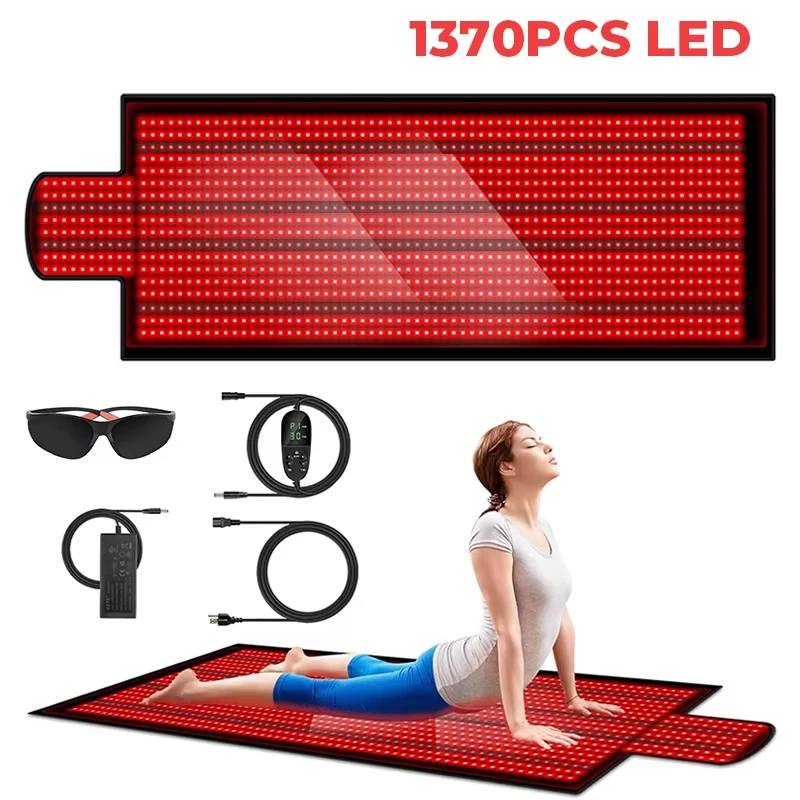
| Blanket | Front and back at once | Mostly | Whole-body sessions in one go |
| Panel | Whichever area faces it | No — requires standing/sitting in front | Higher-output sessions, dedicated space |
| LED Mask | Face (and neck, if combined) | Yes | Facial skin routines only — not a body device |
Best Device by Category
Rather than naming one universal "winner" — which depends entirely on your goals — here's how each device category compares, and who each one suits best.
Best for Focused, Targeted Coverage: Belt
A wearable belt wraps directly against the skin over a specific area — lower back, knees, shoulders — delivering direct-contact coverage with minimal light loss from distance. This design means a well-specified belt can deliver a comparable dose to a much larger panel used at a distance, in a portable, hands-free format.
Best for: Ongoing localised discomfort, portability, hands-free use while sitting or relaxing.
Best for Full-Body Sessions: Mat or Blanket
For broader goals — whole-body sessions, posterior chain coverage, relaxation, and skin-focused routines across a large surface area — a mat or blanket outperforms smaller targeted devices simply due to coverage. A mat is ideal for back and spine-focused sessions lying down; a blanket adds simultaneous front-and-back coverage in a single session.
Best for: Athletes and active people wanting full-body sessions, ongoing back discomfort across a larger area, broader at-home wellness routines.
Read our complete full-body guide → · Compare blanket vs mat →
Best for Maximum Output: Panel
A standing or wall-mounted panel typically delivers the highest output of any home device category, since it can house far more LEDs at higher power than a wearable or flexible format. The trade-off is that you need to stand or sit in front of it for the session, and treating multiple body areas means repositioning between them.
Best for: Buyers prioritising maximum output who don't mind a stationary session, larger budgets, dedicated wellness or home gym spaces.
Best for Face-Only Use: LED Mask
LED masks are a distinct category from body devices — built specifically for a facial skin routine, typically at lower output suited to skin rather than deeper tissue. If your goal is body comfort or muscle recovery, a mask isn't built for that — it's a complementary device for a skin routine, not a substitute for a belt, mat, or panel. We've covered this category in full in our LED face mask buyer's guide.
How Much Should You Budget?
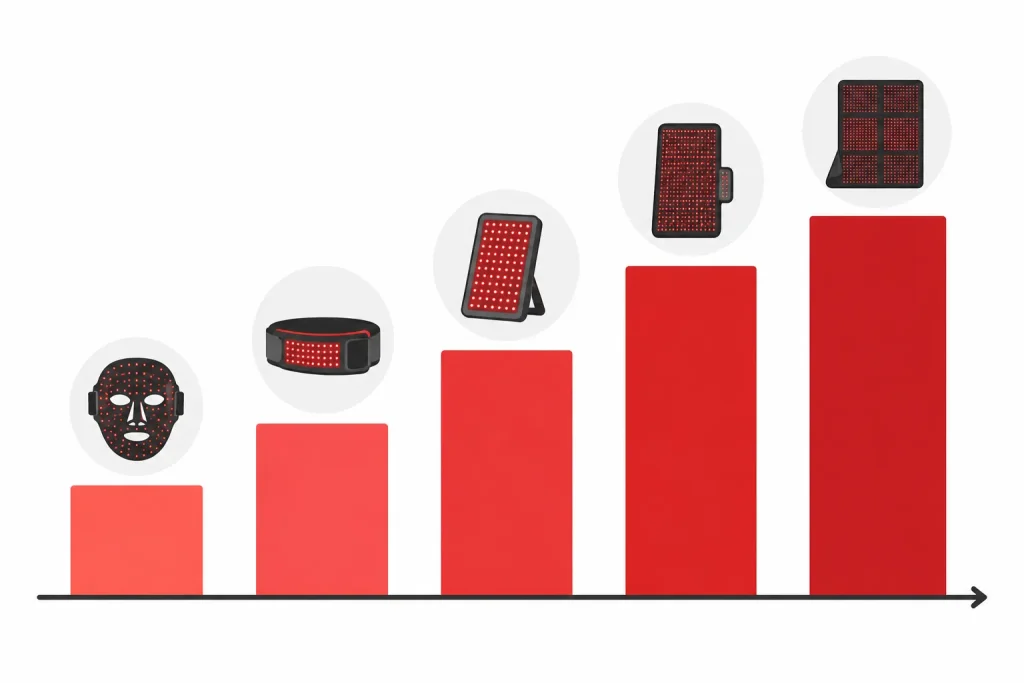
Australian pricing varies significantly by category and quality tier:
| Device Type | Typical Investment Range |
|---|---|
| LED Face Mask | Entry-level to mid-range |
| Belt | Entry-level to mid-range |
| Panel | Mid-range to premium, scales with size/power |
| Mat | Mid-range to premium |
| Blanket | Premium — highest LED density and coverage |
A higher price doesn't automatically mean better performance — but extremely cheap devices using unverified LEDs and vague specifications are a common source of disappointment. The smartest approach is comparing disclosed specs and wavelength accuracy within your budget range, rather than choosing on price alone.
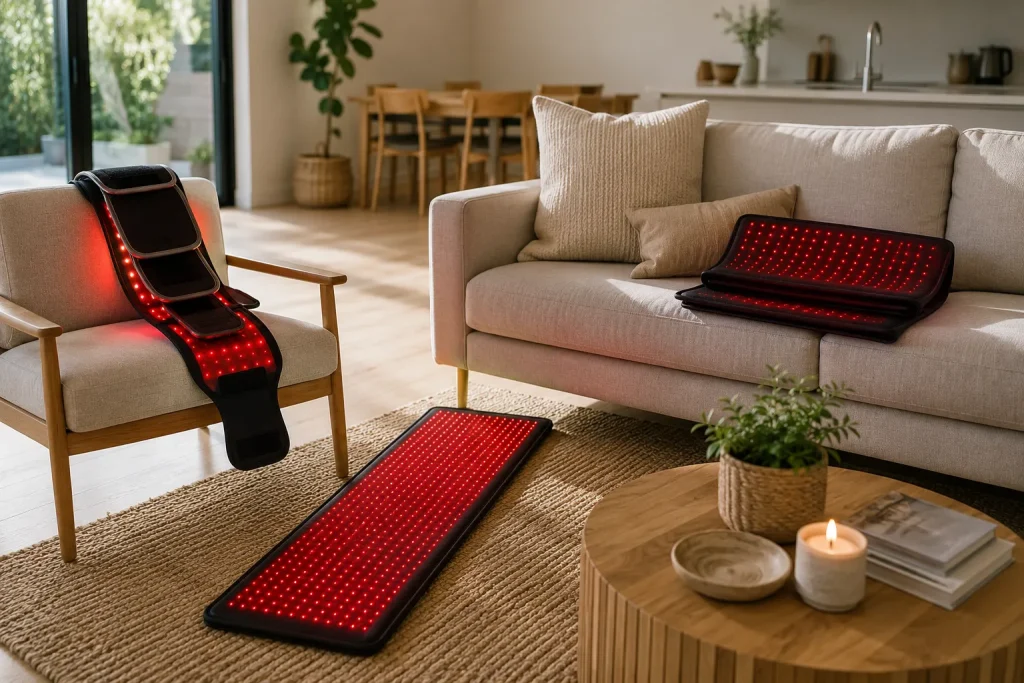
The Alpha Red Light Therapy Range
The Alpha Red Light Therapy range is built around the criteria outlined above — clearly stated wavelengths and honest marketing, with a format for every goal:
- Alpha Red Light Therapy Belt — Focused coverage for back, joint, and muscle comfort routines. Dual-wavelength (660nm + 850nm), wearable, hands-free.
- Alpha Red Light Therapy Mat — Full-body and posterior chain sessions. Lie down and let it run.
- Alpha Red Light Therapy Blanket — Whole-body coverage, front and back, in a single session.
Every device ships across Australia with clearly stated wavelengths and straightforward marketing — general wellness devices, not registered medical devices, and we say so plainly rather than borrowing a label that doesn't apply.
Frequently Asked Questions
Is a more expensive device always better? Not necessarily. Price often reflects coverage area, LED density, and brand positioning rather than performance on its own. Two devices at very different price points can perform comparably if their wavelengths and disclosed specs are comparable — compare specifications, not just price tags.
Do I need a TGA-registered device? Not necessarily. TGA/ARTG registration is specifically tied to a seller making therapeutic claims — plenty of well-specified general wellness devices aren't registered, because they aren't making those claims. If a seller does say "TGA-registered" or "medical grade," it's worth checking the ARTG yourself rather than taking the label at face value — see our full guide for exactly how.
What's the single most important spec to check? If you can only check one thing, ask for disclosed irradiance (mW/cm²) at a stated distance, alongside the actual wavelengths. A device with the right wavelengths but very low output, or a seller who won't share the number at all, is worth a second look.
Can one device do everything? Not realistically. A belt won't deliver the full-body coverage of a mat or blanket, and a mat isn't as portable as a belt for a specific area. Most people who use these regularly eventually own more than one format, each suited to a different part of their routine.
How long until I notice a difference, regardless of device? There's no reliable universal timeline across every device and use case — it depends on the device, consistency, and what you're using it for. A realistic approach across any format is a few weeks of regular, short sessions rather than expecting a fast, dramatic change.
Final Verdict: How to Choose
There's no single "best" red light therapy device in Australia — only the best device for your specific goal. Use this quick decision guide:
- Back, joint, or muscle comfort in a specific area → Belt
- Whole-body sessions, relaxation, or a broader wellness routine → Mat or Blanket
- Maximum output, dedicated wellness space, willing to stand for sessions → Panel
- Facial skin routine only → LED Mask
Whatever you choose, prioritise verified 660nm + 850nm wavelengths, disclosed specs, and an honest answer on TGA/ARTG status either way — these factors matter far more than price or brand name alone.
Ready to find the right fit for your goals? Explore the Alpha Red Light Therapy range, built on clearly stated wavelengths and straightforward marketing for Australian homes.
→ Shop the Alpha Red Light Therapy Range
This article is for general information only and does not constitute medical advice. The products discussed are general wellness devices and are not intended to diagnose, treat, cure or prevent any disease or medical condition. Results vary between individuals. Consult a qualified healthcare professional before beginning any new device-based routine, particularly if you are pregnant, have a diagnosed medical condition, or take photosensitising medications.