How It Works
Light that benefits your cells
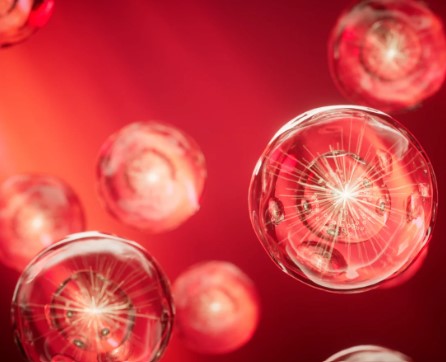
"The Science: How Red Light Therapy Energizes Your Cells"
01
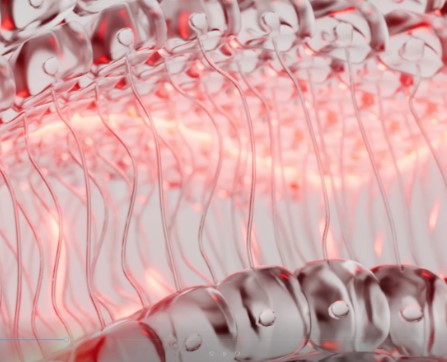
02
03
With increased ATP levels, your cells activate powerful healing signals that boost collagen production, reduce inflammation, and help restore healthier, more youthful-looking skin."
"The Science-Backed Benefits of Red vs Near-Infrared Light"
"Our product technology at Alpha Red Light Therapy is backed by extensive scientific research and clinical studies to ensure maximum effectiveness and safety."

Blue Wavelength 415-480nm
- Fights acne-causing bacteria
- Balances oil production
- Calms inflammation and redness
Clinically, blue light therapy targets acne at its root cause. It activates natural porphyrins in acne-causing bacteria, producing oxygen-free radicals that destroy the bacteria without harsh chemicals.
At the same time, it helps regulate oil production, reduces redness and inflammation, and prevents future breakouts.For even better results, combining blue light with red light accelerates healing, soothes the skin, and promotes clearer, healthier-looking skin — offering a safe, natural, and non-invasive solution.
References
1. Phototherapy with blue (415 nm) and red (660 nm) light in the treatment of acne vulgaris
Papageorgiou P, Katsambas A, Chu A.
Br J Dermatol. 2000; 142(5): 973–978.
2. Eradication of Propionibacterium acnes by its endogenic porphyrins after illumination with high-intensity blue light
Ashkenazi H, Malik Z, Harth Y, Nitzan Y.
FEMS Immunol Med Microbiol. 2003 Jan 21; 35(1): 17–24.
3. The clinical and histological effect of home-use, combination blue-red LED phototherapy for mild-to-moderate acne vulgaris in Korean patients: a double-blind, randomized controlled trial
Kwon HH, Lee JB, Yoon JY, Park SY, Ryu HH, Park BM, Kim JY, Lee JH, Park SY, Park KC, Suh DH.
Br J Dermatol. 2013; 168(5): 1088–1094.
Green Wavelength 535-560nm
- Reduces the appearance of dark spots and hyperpigmentation
- Calms skin redness and visible blood vessels
- Helps relieve headaches and facial tension
Green light therapy is a gentle, non-invasive treatment that works by targeting melanin and hemoglobin in the skin. This helps fade dark spots, reduce redness, and improve overall skin tone and clarity.
It also shows anti-inflammatory properties and may support natural pain-relief pathways, making it useful for calming sensitive skin and easing head discomfort.
Although red light remains the gold standard for deeper healing and hair regrowth, early research suggests green light can complement red light therapy, delivering enhanced results when used together.
References
1.VISIA Skin Analysis System as a Tool to Evaluate the Reduction of Pigmented Skin and Vascular Lesions Using the 532 Nm Laser
Zawodny P, Stój E, Kulig P, Skonieczna-Żydecka K, Sieńko J.
Clin Cosmet Investig Dermatol. 2022 Oct 14; 15: 2187–2195.
2.Looking for a Beam of Light to Heal Chronic Pain
Xu J, Zhang H, Chen D, Xu K, Li Z, Wu H, Geng X, Wei X, Wu J, Cui W, Wei S.
J Pain Res. 2024 Mar 16; 17: 1091–1105.
3.Green Light Exposure Elicits Anti-inflammation, Endogenous Opioid Release, and Dampens Synaptic Potentiation to Relieve Post-surgical Pain
Martin LF, Cheng K, Washington SM, Denton M, Goel V, Khandekar M, Patwardhan A, Ibrahim MM.
J Pain. 2023 Mar; 24(3): 509–529.
4.Low-level Green Laser Promotes Wound Healing After Carbon Dioxide Fractional Laser Therapy
Gong C, Lu Y, Jia C, Xu N.
J Cosmet Dermatol. 2022 Nov; 21(11): 5696–5703.
Yellow Wavelength 585-605nm
- Reduces skin redness and flushing
- Inhibits melanin production
- Fades the appearance of dark spots and uneven tone
Yellow LED light therapy offers a gentle yet effective solution for a brighter, more even complexion. It works by calming redness, suppressing overactive melanocytes, and reducing excess pigment production.
This makes it particularly helpful for fading dark spots, melasma, and post-acne marks — even on sensitive skin — while promoting a more balanced and radiant skin tone.For optimal results, yellow light pairs beautifully with other wavelengths (especially red and near-infrared) to enhance overall skin rejuvenation and healing.
References
1.Light-emitting diode 585nm photomodulation inhibiting melanin synthesis and inducing autophagy in human melanocytes
Li Chen, Zhongyi Xu, Min Jiang, Chengfeng Zhang, Xuan Wang, Leihong Xiang.
J Dermatol Sci. 2018 Jan; 89(1): 11-18.
2.585 nm light-emitting diodes inhibit melanogenesis through upregulating H19/miR-675 axis in LEDs-irradiated keratinocytes by paracrine effect
Shanglin Jin, Li Chen, Zhongyi Xu, Xiaoxue Xing, Chengfeng Zhang, Leihong Xiang.
J Dermatol Sci. 2020 May; 98(2): 102-108.
3.590 nm LED Irradiation Improved Erythema through Inhibiting Angiogenesis of Human Microvascular Endothelial Cells and Ameliorated Pigmentation in Melasma
Xiaoxi Dai, Shanglin Jin, Yijie Xuan, Yiwen Yang, Xiaoli Lu, Chen Wang, Li Chen, Leihong Xiang, Chengfeng Zhang.
Cells. 2022 Dec 7; 11(24): 3949.
Red Wavelength 630-660nm
- Stimulates collagen and elastin production
- Smooths fine lines and wrinkles
- Calms inflammation and redness
Red light therapy, also known as photobiomodulation, works by penetrating the skin and energizing the mitochondria in your cells. This boosts ATP production (your cells’ natural energy), accelerates cellular repair, and promotes healing in skin, hair, and tissues.
As a result, it significantly increases collagen density, smooths fine lines and wrinkles, improves skin texture, and restores a healthy, youthful glow — all with zero downtime.
References
1.Low-level laser (light) therapy (LLLT) in skin: stimulating, healing, restoring
Avci P, Gupta A, Sadasivam M, Vecchio D, Pam Z, Pam N, Hamblin MR.
Semin Cutan Med Surg. 2013; 32(1): 41-52.
2.A controlled trial to determine the efficacy of red and near-infrared light treatment in patient satisfaction, reduction of fine lines, wrinkles, skin roughness, and intradermal collagen density increase
Wunsch A, Matuschka K.
Photomed Laser Surg. 2014; 32(2): 93-100.
3.Mechanisms and applications of the anti-inflammatory effects of photobiomodulation
Hamblin MR.
Near-Infrared Wavelength 830-880nm
- Increased collagen production for firmer, more elastic skin
- Activation of hair follicles for thicker, healthier hair growth
- Reduced inflammation and faster tissue healing
- Support for bone and deep tissue repair
While red light primarily works on the surface layers of the skin, near-infrared light provides deeper therapeutic benefits, making it highly effective for skin rejuvenation, muscle recovery, and overall tissue healing.
References
1.Noninvasive red and near-infrared wavelength-induced photobiomodulation: promoting impaired cutaneous wound healing.
Anju Yadav, Asheesh Gupta.
Photodermatol Photoimmunol Photomed. 2017 Jan; 33(1): 4-13
2.NIR light-assisted phototherapies for bone-related diseases and bone tissue regeneration: A systematic review
Zhuqing Wan, Ping Zhang, Longwei Lv, Yongsheng Zhou.
Theranostics. 2020 Sep 26; 10(25): 11837-11861.
Deep Infrared Wavelength 1064nm
- Increased collagen production for firmer, more elastic skin
- Activation of hair follicles for thicker, healthier hair growth
- Reduced inflammation and faster tissue healing
- Support for bone and deep tissue repair
While red light primarily works on the surface layers of the skin, near-infrared light provides deeper therapeutic benefits, making it highly effective for skin rejuvenation, muscle recovery, and overall tissue healing.
References
1.Noninvasive red and near-infrared wavelength-induced photobiomodulation: promoting impaired cutaneous wound healing.
Anju Yadav, Asheesh Gupta.
Photodermatol Photoimmunol Photomed. 2017 Jan; 33(1): 4-13
2.NIR light-assisted phototherapies for bone-related diseases and bone tissue regeneration: A systematic review
Zhuqing Wan, Ping Zhang, Longwei Lv, Yongsheng Zhou.
Theranostics. 2020 Sep 26; 10(25): 11837-11861.
"Discover the Science-Backed Benefits of Red Light Therapy"
"Our product technology at Alpha Red Light Therapy is backed by extensive scientific research and clinical studies to ensure maximum effectiveness and safety."
Your Title Goes Here
Your content goes here. Edit or remove this text inline or in the module Content settings. You can also style every aspect of this content in the module Design settings and even apply custom CSS to this text in the module Advanced settings.
Your Title Goes Here
Your content goes here. Edit or remove this text inline or in the module Content settings. You can also style every aspect of this content in the module Design settings and even apply custom CSS to this text in the module Advanced settings.
Wrinkles
Traditional Skincare vs Light Therapy
While traditional skincare products mainly work on the surface of the skin, red and near-infrared light therapy penetrates deeper into the dermal layers, activating cellular energy at its source.
Through the process of photobiomodulation, light therapy stimulates collagen and elastin production — essential for firmer, more elastic skin — helping to visibly reduce wrinkles and sagging.
It also boosts cellular energy (ATP), accelerates metabolism, and supports natural tissue repair, resulting in smoother fine lines and improved skin texture.
In addition, light therapy enhances nutrient absorption and strengthens the skin’s natural defences against environmental stressors, helping to restore a healthy, youthful glow.
Even with daily light exposure, your skin responds remarkably well to these specific therapeutic wavelengths.Your content goes here. Edit or remove this text inline or in the module Content settings. You can also style every aspect of this content in the module Design settings and even apply custom CSS to this text in the module Advanced settings.
References
1.Low-level laser (light) therapy (LLLT) in skin: stimulating, healing, restoring
Avci P, Gupta A, Sadasivam M, Vecchio D, Pam Z, Pam N, Hamblin MR.
Semin Cutan Med Surg. 2013 Mar; 32(1): 41-52.
2.A prospective, randomized, placebo-controlled, double-blinded, and split-face clinical study on LED phototherapy for skin rejuvenation: clinical, profilometric, histologic, ultrastructural, and biochemical evaluations and comparison of three different treatment settings
Lee S Y, Park K H, Choi J W, et al.
Journal of photochemistry and photobiology B: Biology, 2007, 88(1): 51-67.
3.The Efficacy and Safety of 660 nm and 411 to 777 nm Light-Emitting Devices for Treating Wrinkles
Nam CH, Park BC, Kim MH, Choi EH, Hong SP.
Dermatol Surg. 2017 Mar; 43(3): 371-380.
4.Reverse skin aging signs by red light photobiomodulation
Couturaud V, Le Fur M, Pelletier M, Granotier F.
Skin Res Technol. 2023 Jul; 29(7): e13391.
5.Male facial rejuvenation using a combination 633, 830, and 1072 nm LED face mask
Mineroff J, Austin E, Feit E, Ho A, Lowe B, Marson J, Mojeski J, Wechter T, Nguyen JK, Jagdeo J.
Arch Dermatol Res. 2023 Nov; 315(9): 2605-2611.
6.A controlled trial to determine the efficacy of red and near-infrared light treatment in patient satisfaction, reduction of fine lines, wrinkles, skin roughness, and intradermal collagen density increase
Wunsch A, Matuschka K.
Photomed Laser Surg. 2014 Feb; 32(2): 93-100.
Acne
Red light penetrates deeper to promote skin repair, calm redness, and support the skin’s natural healing response.
References
1.Blue and red light combination LED phototherapy for acne vulgaris in patients with skin phototype
IVLee SY, You CE, Park MY.
Lasers Surg Med. 2007 Feb; 39(2): 180-8.
2.Effect of Blue Light on Acne Vulgaris: A Systematic Review
Diogo MLG, Campos TM, Fonseca ESR, Pavani C, Horliana ACRT, Fernandes KPS, Bussadori SK, Fantin FGMM, Leite DPV, Yamamoto ÂTA, Navarro RS, Motta LJ.
Sensors (Basel). 2021 Oct 19; 21(20): 6943.
3.Randomized trial of three phototherapy methods for the treatment of acne vulgaris in Chinese patients
Liu LH, Fan X, An YX, Zhang J, Wang CM, Yang RY.
Photodermatol Photoimmunol Photomed. 2014 Oct; 30(5): 246-53.
4.Photobiomodulation: The Clinical Applications of Low-Level Light Therapy
Glass GE
Aesthet Surg J. 2021 May 18; 41(6): 723-738.
5.Blue-Light Therapy for Acne Vulgaris: A Systematic Review and Meta-Analysis.
Ann Fam MedScott AM, Stehlik P, Clark J, Zhang D, Yang Z, Hoffmann T, Mar CD, Glasziou P.
Ann Fam Med. 2019 Nov; 17(6): 545-553.
Wound healing
References
1.Effects of low-power light therapy on wound healing: LASER x LED
Chaves MEDA, Araújo A R, Piancastelli A C C, et al.
Anais brasileiros de dermatologia, 2014, 89(4): 616-623.
2.Wound Phototherapy
Bolton LL.
Wounds. 2020 Sep; 32(9): 262-264.
3.Photobiomodulation: The Clinical Applications of Low-Level Light Therapy
Glass GE.
Aesthet Surg J. 2021 May 18; 41(6): 723-738.
4.Red light-emitting diode (LED) therapy accelerates wound healing post-blepharoplasty and periocular laser ablative resurfacing
Trelles MA, Allones I.
J Cosmet Laser Ther. 2006 Apr; 8(1): 39-42.
5.The effect of combined red, blue, and near-infrared light-emitting diode (LED) photobiomodulation therapy on speed of wound healing after superficial ablative fractional resurfacing
Soliman J, Elsanadi R, Messele F, Kelly KM.
Lasers Med Sci. 2024 Mar 27; 39(1): 94.
6.Merged Red and NIR Light Sources for Photobiomodulation Therapy in Diabetic Wound Healing
Thien Tri T, Nam ND, Lee TH, Shin H, Lee HJ, Chae H, Kim MJ, Jo DS, Cho SM.
ACS Appl Mater Interfaces. 2025 Jan 29; 17(4): 5771-5783.
Inflammation
References
1.Mechanisms and applications of the anti-inflammatory effects of photobiomodulation.
Hamblin MR.
AIMS Biophys. 2017; 4(3): 337-361.
2.Infrared light therapy relieves TLR-4 dependent hyper-inflammation of the type induced by COVID-19.
Aguida B, Pooam M, Ahmad M, Jourdan N.
Commun Integr Biol. 2021 Sep 15; 14(1): 200-211.
3.Laser Light Therapy in Inflammatory, Musculoskeletal, and Autoimmune Disease.
Wickenheisser VA, Zywot EM, Rabjohns EM, Lee HH, Lawrence DS, Tarrant TK.
Curr Allergy Asthma Rep. 2019 Jul 2; 19(8): 37.
4.Low level laser therapy: molecular mechanisms of anti-inflammatory and regenerative effects
Greben AI, Eremin PS, Kostromina EY, Markov PA, Greben TN, Gilmutdinova IR, Konchugova TV.
Vopr Kurortol Fizioter Lech Fiz Kult. 2023; 100(2): 61-68.
5.The effect of red-to-near-infrared (R/NIR) irradiation on inflammatory processes
Walski T, Dąbrowska K, Drohomirecka A, Jędruchniewicz N, Trochanowska-Pauk N, Witkiewicz W, Komorowska M.
Int J Radiat Biol. 2019 Sep; 95(9): 1326-1336.
Pigmentation
- Blue light helps suppress tyrosinase activity and calms overactive melanocytes, reducing excess pigment formation.
- Red and near-infrared light penetrate deeper, energizing mitochondria and regulating cellular metabolism to prevent overproduction of melanin.
Additionally, certain wavelengths stimulate the skin’s natural autophagy process, helping cells efficiently clear out excess pigment. This accelerates the fading of dark spots, melasma, and post-acne marks, resulting in a brighter, more even complexion over time.
References
1.A prospective randomized comparative study on 60 Indian patients of melasma, comparing pixel Q-switched NdYAG (1064 nm), super skin rejuvenation (540 nm) and ablative pixel erbium YAG (2940 nm) lasers, with a review of the literature
Garg S, Vashisht KR, Makadia S.
Cosmet Laser Ther. 2019 Aug; 21(5): 297-307.
2.Laser therapy in the treatment of melasma: a systematic review and meta-analysis
Lai D, Zhou S, Cheng S, Liu H, Cui Y.
Lasers Med Sci. 2022 Jun; 37(4): 2099-2110.
3.590 nm LED Irradiation Improved Erythema through Inhibiting Angiogenesis of Human Microvascular Endothelial Cells and Ameliorated Pigmentation in Melasma
Dai X, Jin S, Xuan Y, Yang Y, Lu X, Wang C, Chen L, Xiang L, Zhang C.
Cells. 2022 Dec 7; 11(24): 3949.
4.Light-emitting diode 585 nm photomodulation inhibiting melanin synthesis and inducing autophagy in human melanocytes
Chen L, Xu Z, Jiang M, et al.
J Dermatol Sci. 2018 Jan; 89(1): 11-18.
5.Inhibitory effect of 660-nm LED on melanin synthesis in in vitro and in vivo
Oh CT, Kwon TR, Choi EJ, Kim SR, Seok J, Mun SK, Yoo KH, Choi YS, Choi SY, Kim BJ.
Photodermatol Photoimmunol Photomed. 2017 Jan; 33(1): 49-57.
Pain Relief
References
1.Low-intensity LASER and LED (photobiomodulation therapy) for pain control of the most common musculoskeletal conditions
DE Oliveira MF, Johnson DS, Demchak T, Tomazoni SS, Leal-Junior EC.
Eur J Phys Rehabil Med. 2022 Apr; 58(2): 282-289.
2.Low-Level Laser Therapy for Fibromyalgia: A Systematic Review and Meta-Analysis
Yeh SW, Hong CH, Shih MC, Tam KW, Huang YH, Kuan YC.
Pain Physician. 2019 May; 22(3): 241-254.
3.Light-emitting diode phototherapy: pain relief and underlying mechanisms
Zhang WW, Wang XY, Chu YX, Wang YQ.
Lasers Med Sci. 2022 Jul; 37(5): 2343-2352.
4.The efficacy of low-level laser therapy for shoulder tendinopathy: a systematic review and meta-analysis of randomized controlled trials
Haslerud S, Magnussen LH, Joensen J, Lopes-Martins RA, Bjordal JM.
Physiother Res Int. 2015 Jun; 20(2): 108-25.
5.The associations between diode laser (810 nm) therapy and chronic wound healing and pain relief: Light into the chronic wound patient's life
Tang D, Liu C, Chen X, Lv X, Yuan L, Xue D, Song H.
Wound Repair Regen. 2023 Mar; 31(2): 227-232.
Body Contouring
References
1.Low‐level laser therapy for fat layer reduction: a comprehensive review
Avci P, Nyame T T, Gupta G K, et al.
Lasers Surg Med. 2013 Aug; 45(6): 349-57.
2.Efficacy of low-level laser therapy for body contouring and spot fat reduction
Caruso-Davis MK, Guillot TS, Podichetty VK, Mashtalir N, Dhurandhar NV, Dubuisson O, Yu Y, Greenway FL.
Obes Surg. 2011 Jun; 21(6): 722-9.
3.Body contouring using 635-nm low level laser therapy
Nestor MS, Newburger J, Zarraga MB.
Semin Cutan Med Surg. 2013 Mar; 32(1): 35-40.
4.Independent evaluation of low-level laser therapy at 635 nm for non-invasive body contouring of the waist, hips, and thighs
McRae E, Boris J.
Lasers Surg Med. 2013 Jan; 45(1): 1-7.
5.A double-blind, placebo-controlled randomized trial evaluating the ability of low-level laser therapy to improve the appearance of cellulite
Jackson RF, Roche GC, Shanks SC.
Lasers Surg Med. 2013 Mar; 45(3): 141-7.
Hair Growth
References
1.Low-level laser (light) therapy (LLLT) for treatment of hair loss
Avci P, Gupta GK, Clark J, Wikonkal N, Hamblin MR.
Lasers Surg Med. 2014 Feb; 46(2): 144-51.
2.Assessment of Effects of Low-Level Light Therapy on Scalp Condition and Hair Growth
Kim JH, Son HS, Yu DA, Choe YB, Lee YW.
Indian J Dermatol. 2023 Jul-Aug; 68(4): 487.
3.Role of Low-Level Light Therapy (LLLT) in Androgenetic Alopecia
Pillai JK, Mysore V.
J Cutan Aesthet Surg. 2021 Oct-Dec; 14(4): 385-391.
4.Red and Green LED Light Therapy: A Comparative Study in Androgenetic Alopecia
Tantiyavarong J, Charoensuksira S, Meephansan J, Hanvivattanakul S, Rayanasukha Y, Boonkoom T, Tantisantisom K.
Photodermatol Photoimmunol Photomed. 2024 Nov; 40(6): e13004.
5.Low-level laser therapy as a treatment for androgenetic alopecia
Afifi L, Maranda EL, Zarei M, Delcanto GM, Falto-Aizpurua L, Kluijfhout WP, Jimenez JJ.
Lasers Surg Med. 2017 Jan; 49(1): 27-39.
6.Efficacy and Safety of a Low-Level Light Therapy for Androgenetic Alopecia: A 24-Week, Randomized, Double-Blind, Self-Comparison, Sham Device-Controlled Trial
Mai-Yi Fan S, Cheng YP, Lee MY, Lin SJ, Chiu HY.
Dermatol Surg. 2018 Nov; 44(11): 1411-1420.
Sleep and Depression
References
1.Light therapy in the treatment of patients with bipolar depression: A meta-analytic study
Tseng PT, Chen YW, Tu KY, Chung W, Wang HY, Wu CK, Lin PY.
Eur Neuropsychopharmacol. 2016 Jun; 26(6): 1037-47.
2.Light Therapy for Patients With Bipolar Depression: Systematic Review and Meta-Analysis of Randomized Controlled Trials
Lam RW, Teng MY, Jung YE, Evans VC, Gottlieb JF, Chakrabarty T, Michalak EE, Murphy JK, Yatham LN, Sit DK.
Can J Psychiatry. 2020 May; 65(5): 290-300.
3.The effects of light therapy on depression and sleep in women during pregnancy or the postpartum period: A systematic review and meta-analysis
Li X, Fang L, Guan L, Zhang J, Zheng M, Zhu D.
Brain Behav. 2023 Dec; 13(12): e3339.
4.The Effects of Light Therapy on Sleep, Depression, Neuropsychiatric Behaviors, and Cognition Among People Living With Dementia: A Meta-Analysis of Randomized Controlled Trials
Aini N, Chen R, Chu H, Chang CY, Lin HC, Jen HJ, Liu D, Lee TY, Chou KR.
Am J Geriatr Psychiatry. 2024 Jun; 32(6): 681-706.
5.The effects of bright light therapy on depression and sleep disturbances in patients with Parkinson's disease: a systematic review and meta-analysis of randomized controlled trials
Lin F, Su Y, Weng Y, Lin X, Weng H, Cai G, Cai G.
Sleep Med. 2021 Jul; 83: 280-289.
6.Effects of light therapy on sleep/wakefulness, daily rhythms, and the central orexin system in a diurnal rodent model of seasonal affective disorder
Costello A, Linning-Duffy K, Vandenbrook C, Donohue K, O'Hara BF, Kim A, Lonstein JS, Yan L.
J Affect Disord. 2023 Jul 1; 332: 299-308.
"What Determines Your Light Therapy Results?"
"Our product technology at Alpha Red Light Therapy is backed by extensive scientific research and clinical studies to ensure maximum effectiveness and safety."
Light Therapy Results = Time × Wavelength × Irradiance
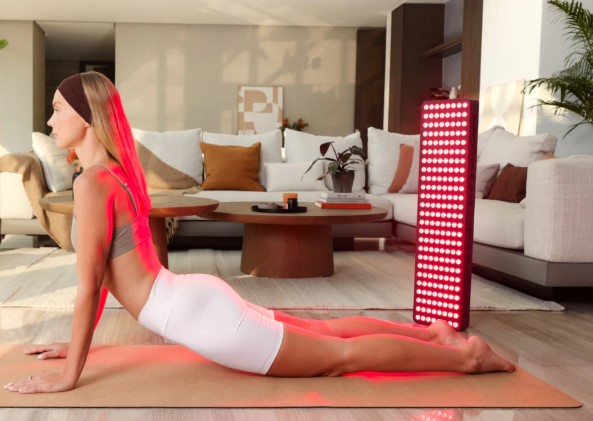
Wavelength
- Wrinkle reduction and skin rejuvenation → A combination of red and near-infrared light is ideal.
- Acne treatment → Combining blue and red light often delivers the best results.
Understanding your personal concerns, knowing how each wavelength works, and choosing the most suitable option is the key to getting the most out of light therapy.