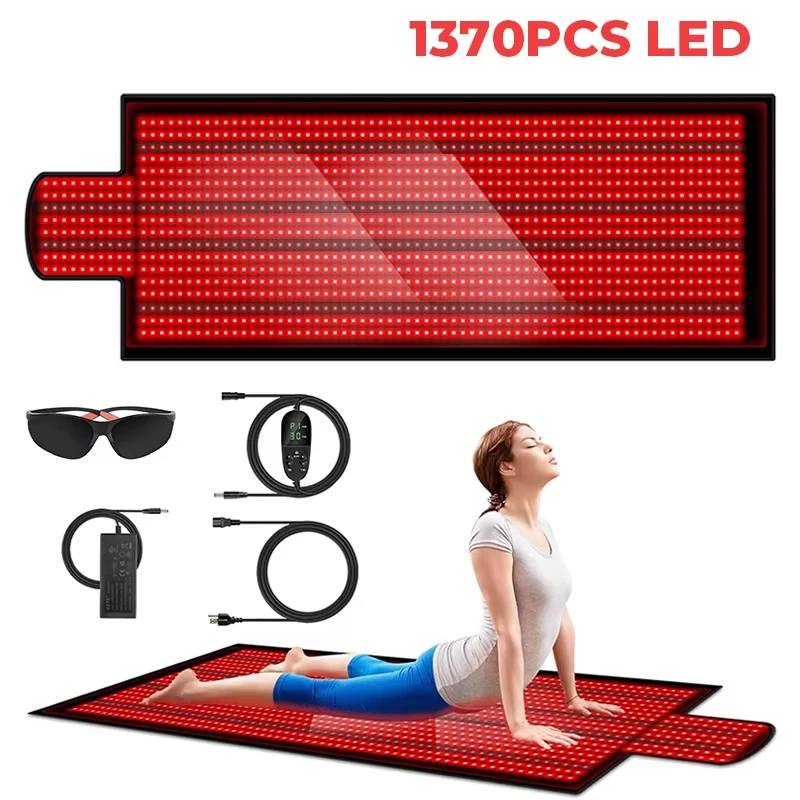
If the word "radiation" makes you pause before trying red light therapy, that's a completely reasonable instinct — it's worth understanding what you're actually exposing your skin to before you use any light-based device regularly. The short version: red and near-infrared light sit in a fundamentally different category of radiation than the kind linked to cancer risk, and that difference is a matter of basic physics, not marketing.

Ionising vs Non-Ionising: The Distinction That Matters
All radiation isn't the same. The category that's actually linked to cancer risk is ionising radiation — this includes UV light, X-rays, and gamma rays. Ionising radiation carries enough energy per photon to knock electrons loose from atoms and molecules, which can damage DNA directly. That DNA damage is the mechanism behind UV-related skin cancer risk.
Non-ionising radiation — which includes visible light (like red light), near-infrared light, radio waves, and Wi-Fi signals — doesn't carry enough energy per photon to do that. It can't break chemical bonds or directly damage DNA the way ionising radiation can. Red and near-infrared light used in red light therapy devices fall into this non-ionising category.

In Australia, the Australian Radiation Protection and Nuclear Safety Agency (ARPANSA) is the government body responsible for classifying and regulating both ionising and non-ionising radiation, and has published specific guidance on LED phototherapy, lasers, and intense pulsed light used for cosmetic purposes. ARPANSA's classification places visible and infrared light for cosmetic/wellness use in the non-ionising category — the same broad category as sunlight itself (minus the UV component) and household lighting, not the same category as X-rays or medical radiation.
So Why Does the Fear Exist?
A few things tend to fuel the worry, and they're worth addressing directly:
"It says radiation, and radiation causes cancer." Technically true only for ionising radiation. "Radiation" is a broad physics term that covers everything from sunlight to Wi-Fi to X-rays — most of it isn't linked to cancer risk at all. The word alone isn't a red flag; the type is what matters.
"It stimulates cells — couldn't that stimulate cancer cells too?" Red light therapy is understood to support normal mitochondrial and cellular energy activity, not to cause uncontrolled cell division, which is the actual mechanism behind cancer growth. Supporting normal cell function isn't the same process as triggering mutation or unchecked growth.
"UV light from tanning beds causes skin cancer, so all light devices must be risky." This conflates two very different wavelength ranges. UV light (used in tanning beds) is ionising and has well-established, decades-documented links to skin cancer. Red and near-infrared light are non-ionising and operate on a different part of the light spectrum entirely.

What This Means Practically
Because red light therapy uses non-ionising wavelengths, the mechanism of harm associated with UV-related skin cancer simply doesn't apply in the same way. That's a meaningfully different safety profile than sun exposure or tanning devices, and it's the main reason regulators like ARPANSA don't classify LED-based red/near-infrared devices in the same risk category as UV-emitting equipment.
That said, "different risk category" isn't the same as "zero considerations for everyone." A few groups should still check with a health professional before starting any light-based routine:
- People who are pregnant
- People with photosensitivity or a diagnosed skin condition
- Anyone on light-sensitising medication
- Anyone with an existing diagnosed health condition, including any active cancer diagnosis — this is a conversation for your treating doctor, not something to self-manage with a consumer device
If any of these apply to you, a quick conversation with your GP or dermatologist is the right move before adding any light-based device to your routine.
One Honest Caveat
It's worth being upfront rather than absolute here: while the ionising/non-ionising distinction is well-established physics and the current evidence doesn't point to increased cancer risk from red or near-infrared light, long-term research on repeated at-home device use specifically is still developing. Reputable health bodies are generally reassuring on this question, but "developing research" and "settled beyond any doubt" aren't quite the same thing — which is exactly why checking with a doctor first matters more for some people than others (see below).
The Bottom Line
Red and near-infrared light used in at-home devices are non-ionising and don't carry the DNA-damaging mechanism that makes ionising radiation (like UV or X-rays) a cancer risk. This is a physics distinction backed by how Australian regulators classify and treat these two categories of radiation differently — not a marketing claim. If you're weighing up whether to start a red light therapy routine, this specific fear shouldn't be the deciding factor; the more relevant questions are around realistic expectations and consistent use, which our What Is Red Light Therapy? guide covers from the ground up.
FAQs
Is red light therapy the same type of radiation as an X-ray? No. X-rays are ionising radiation, capable of directly damaging DNA. Red and near-infrared light are non-ionising and don't carry that same mechanism.
Can red light therapy cause skin cancer like tanning beds? Tanning beds use UV light, which is ionising and has a well-documented link to skin cancer. Red light therapy uses non-ionising red and near-infrared wavelengths, which is a different category entirely.
Who regulates light-based devices in Australia? The Australian Radiation Protection and Nuclear Safety Agency (ARPANSA) is the government authority responsible for classifying and providing guidance on both ionising and non-ionising radiation, including cosmetic LED and light-based devices.
Should someone with cancer avoid red light therapy? Anyone with an active cancer diagnosis should speak with their treating doctor before using any light-based device — this is a decision for medical supervision, not self-directed use.
Standard Disclaimer (footer): This device is a general wellness product and is not intended to diagnose, treat, cure, or prevent any disease. Individual results vary. If you are pregnant, photosensitive, taking light-sensitising medication, or have a diagnosed health condition, check with a health professional before use.