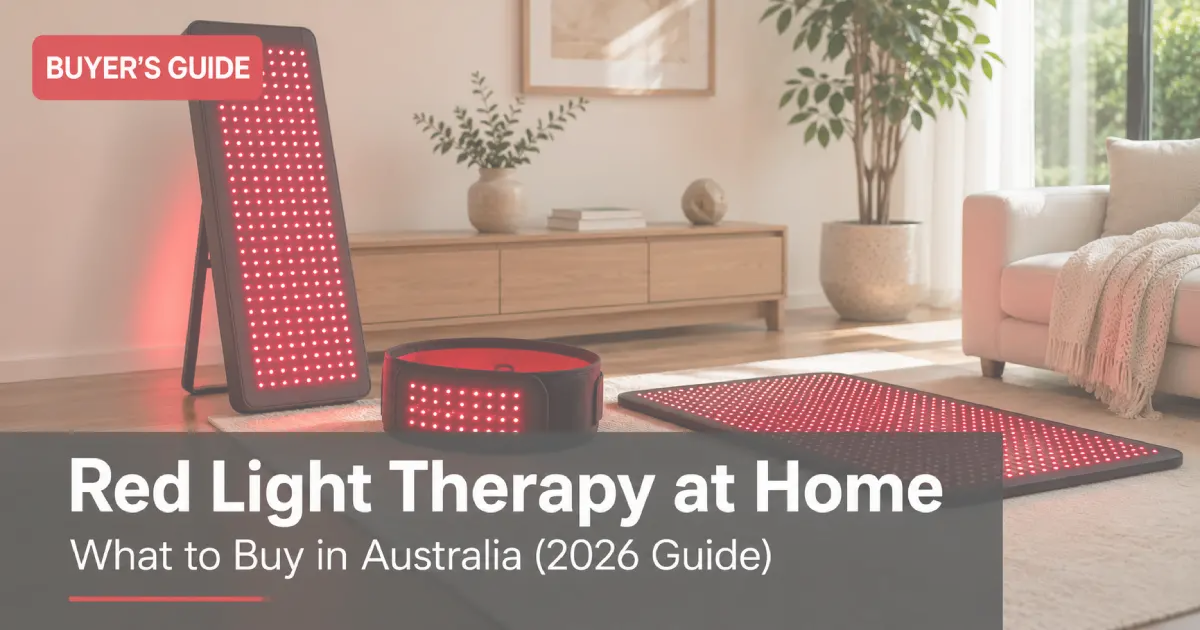
Ready to bring red light therapy home — but not sure where to start? Between belts, mats, blankets, and panels, the market is crowded, the marketing claims are everywhere, and the specs can be confusing. This guide cuts through the noise and gives you exactly what to look for before you buy, so your money goes toward a device that actually delivers results.
Why More Australians Are Choosing Red Light Therapy at Home
Red light therapy is no longer confined to clinics and wellness studios. With clinic sessions typically costing $80–$150 AUD each, and consistency being the single biggest factor in getting real results, more Australians are investing in their own devices and using them daily — for a fraction of the long-term cost.
The science behind it — photobiomodulation — uses specific wavelengths of red and near-infrared light to stimulate your cells' mitochondria, boosting ATP (adenosine triphosphate) production. This accelerates cellular repair, reduces inflammation, and supports everything from pain relief to skin health to muscle recovery.
But not every device on the market delivers a genuine therapeutic dose. Here's exactly what separates an effective device from a gimmick.
What to Look For Before You Buy
1. The Right Wavelengths
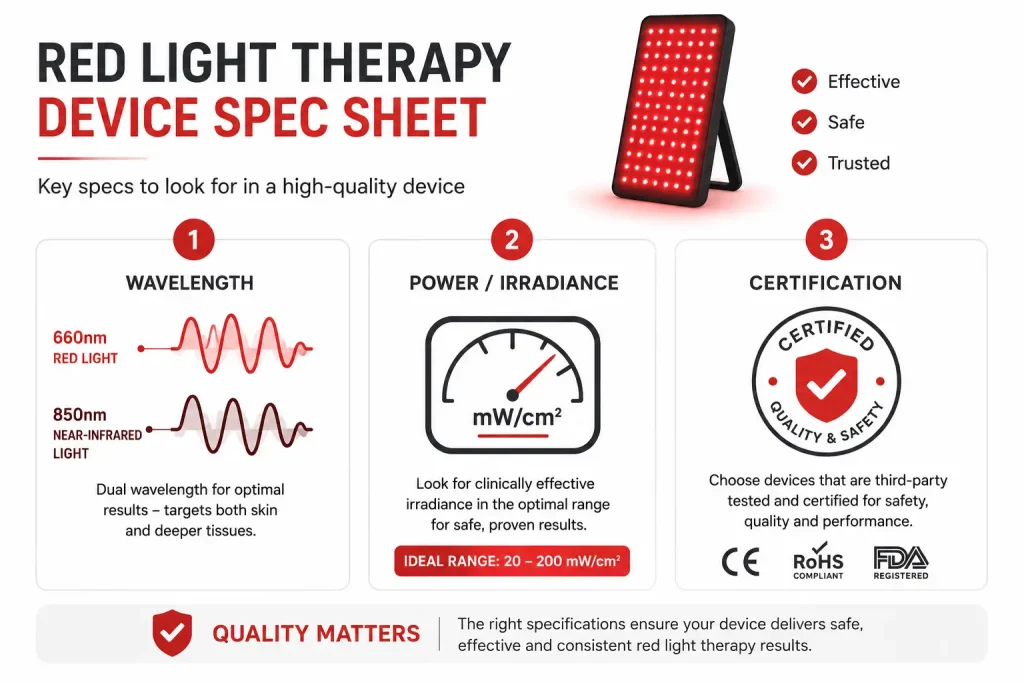
This is non-negotiable. A quality device should use:
- 660nm (Red Light): Targets surface tissue — skin, collagen, surface inflammation
- 850nm (Near-Infrared): Penetrates deep into muscle, joints, and connective tissue
Some premium devices add additional wavelengths (630nm, 810nm, 830nm) for broader coverage, but 660nm and 850nm are the two clinically essential wavelengths to confirm before buying anything.
Buyer tip: LEDs emit a peak wavelength with a small curve either side — a device listed at 660nm will also emit slightly either side of that number. What matters is that the manufacturer clearly states the peak wavelength, not a vague range.
2. Irradiance (Light Intensity)
Irradiance — measured in mW/cm² (milliwatts per square centimetre) — determines how much light energy actually reaches your skin. This matters more than LED count, which is a number brands often use to look impressive without telling you anything about actual output.
As a benchmark, look for:
- 60–100+ mW/cm² for a meaningful therapeutic dose
- Manufacturers who disclose irradiance at a specific distance (e.g. "100mW/cm² at 6 inches") — vague claims without distance figures are a red flag
3. TGA Certification (Australia-Specific)
In Australia, devices making therapeutic claims should ideally be listed on the Australian Register of Therapeutic Goods (ARTG) as a TGA Class IIa medical device. This certification confirms the device has been assessed for electrical safety, manufacturing quality, and its stated therapeutic use.
TGA listing isn't legally required for every wellness device, but it's a strong signal of quality and accountability — particularly important when you're investing in something you'll use on your body regularly over months or years.
4. EMF Shielding and Build Quality
Quality devices include EMF (electromagnetic field) shielding to minimise exposure during use. Look for stated EMF ratings (ideally close to zero at treatment distance) and certifications like CE, FCC, or ISO13485 alongside any TGA listing.
5. Coverage Area vs. Your Goals
This is where buyers most often choose the wrong device. Match the device format to what you actually need:
| Device Type | Best For | Coverage |
|---|---|---|
| Belt | Targeted pain relief (back, knees, shoulders) — portable | Single area |
| Panel | High-intensity targeted treatment, flexible positioning | Medium-large, requires standing/sitting |
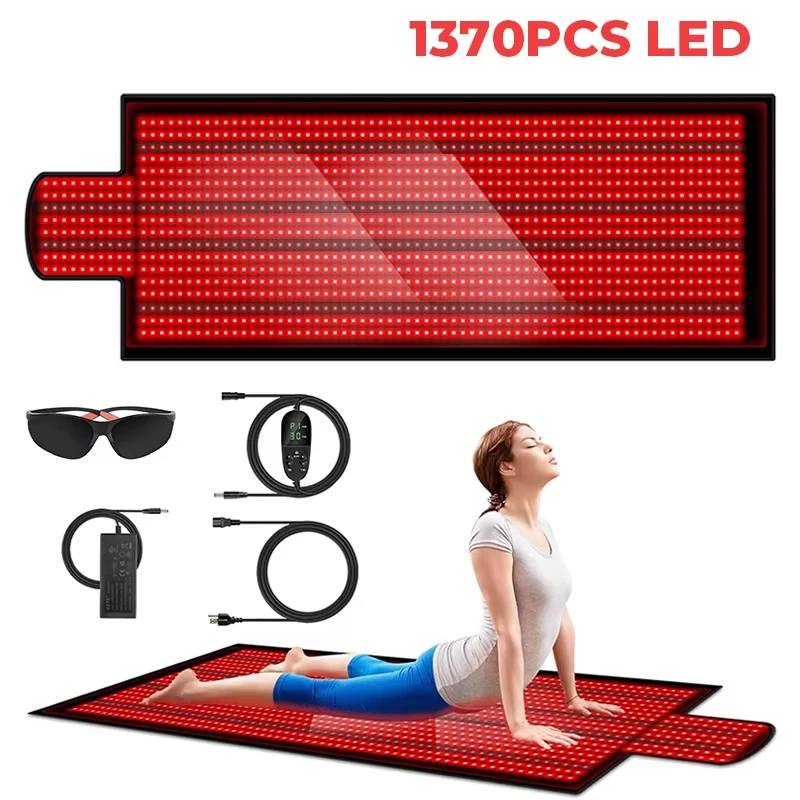
| Mat | Passive full-body recovery, back/spine focus | Large, lying down |
| Blanket | Full 360-degree whole-body treatment | Largest, wraps around body |
6. Warranty and Local Support
Look for at least a 1–3 year warranty as standard. Devices shipped from local Australian warehouses also mean easier returns and repairs if something goes wrong, compared to overseas-only sellers.
Red Light Therapy at Home: Device Types Compared
Belt — Wearable, flexible, designed for targeted relief on specific body parts like the lower back, knees, or shoulders. Best for chronic localised pain and portability. See our full belt review →
Mat — A flat device you lie directly on. Excellent for passive, hands-free full-body sessions, particularly for back pain and posterior chain recovery.
Blanket — Wraps around your entire body for simultaneous 360-degree coverage. The most comprehensive at-home option for systemic wellness, recovery, and skin benefits. Read our complete full-body guide →
Panel — A larger, fixed or wall-mounted device offering high irradiance for targeted, high-intensity treatment. Requires standing or sitting in front of it for the session.
There's no single "best" device — the right choice depends entirely on your primary goal, available space, and how you intend to use it day to day.
How Much Should You Expect to Pay?
Pricing in the Australian market varies significantly based on device type and quality:
- Belts: Entry-level wellness devices to mid-range — generally the most affordable starting point
- Panels: Wide range depending on size, irradiance, and wavelength count
- Mats: Mid-to-premium range, reflecting larger coverage area and LED count
- Blankets: Typically the highest investment, given full-body LED density and coverage
A higher price doesn't always mean a better device — but extremely cheap devices using unverified LEDs or vague specifications are a common source of disappointment. Focus on the irradiance, wavelength accuracy, and certification rather than price alone.
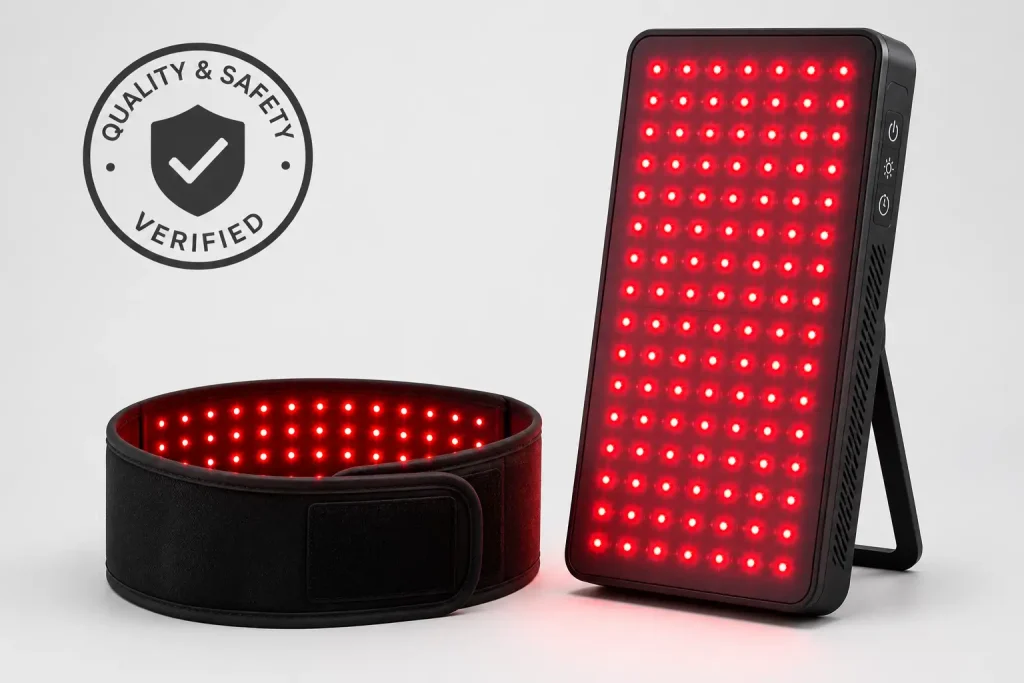
Introducing the Alpha Red Light Therapy Range
The Alpha Red Light Therapy range is designed specifically for Australians who want clinically-relevant photobiomodulation at home — without the guesswork.
Every device in the Alpha range delivers dual-wavelength therapy (660nm + 850nm) with clearly stated specifications, ships across Australia, and is designed for daily home use:
- Alpha Red Light Therapy Belt — targeted relief for back, joint, and muscle pain
- Alpha Red Light Therapy Mat — passive full-body and posterior chain recovery
- Alpha Red Light Therapy Blanket — comprehensive 360-degree whole-body treatment
No clinic visits, no ongoing per-session costs, no confusing spec sheets.
Frequently Asked Questions
Is red light therapy at home as effective as in a clinic? Clinic devices are often more powerful, but research consistently shows that consistency — not single-session intensity — is the most important factor in results. A quality home device used 3–5 times per week will typically outperform occasional clinic visits for most wellness and recovery goals.
Do I need a TGA-approved device? It's not legally mandatory for every wellness device, but TGA (ARTG) listing is a strong quality signal in Australia, confirming the device has passed safety and manufacturing assessments. It's worth prioritising, particularly for devices you'll use long-term.
What's the minimum irradiance I should look for? Aim for at least 60–100 mW/cm² at the stated treatment distance for a meaningful therapeutic dose. Always check that the manufacturer specifies the distance the irradiance was measured at.
Can I just buy the cheapest option? You can, but cheaper devices often cut corners on LED quality, irradiance, and wavelength accuracy — meaning you may not get a genuine therapeutic effect. Focus on verified specifications over price alone.
How long until I see results? Most users notice improvements within 2–4 weeks of consistent use (3–5 sessions per week), with optimal results typically appearing at the 4–8 week mark, depending on your goal.
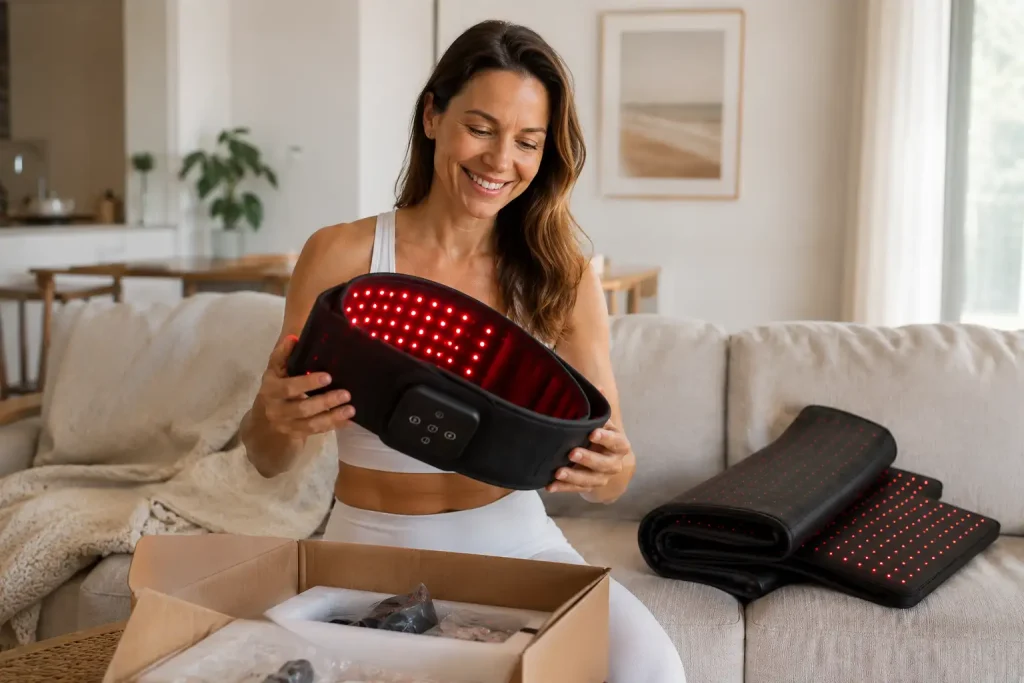
Final Verdict: What Should You Buy?
For most Australians starting out, the right device depends on your primary goal:
- Chronic localised pain (back, knee, shoulder): Start with a belt
- Whole-body recovery and systemic wellness: Choose a mat or blanket
- Maximum intensity, targeted treatment: Consider a panel
Whichever you choose, prioritise verified wavelengths (660nm + 850nm), disclosed irradiance, and TGA listing where possible. A well-specified device used consistently will deliver far better results than an impressive-looking device with vague specifications.
Ready to find your fit? Explore the Alpha Red Light Therapy range and start your at-home photobiomodulation journey today.
→ Shop the Alpha Red Light Therapy Range
This article is for informational purposes only and does not constitute medical advice. Always consult a qualified healthcare professional for diagnosis and treatment of medical conditions.