Transparency note: This guide links to Alpha products where relevant so you can compare the device type mentioned.
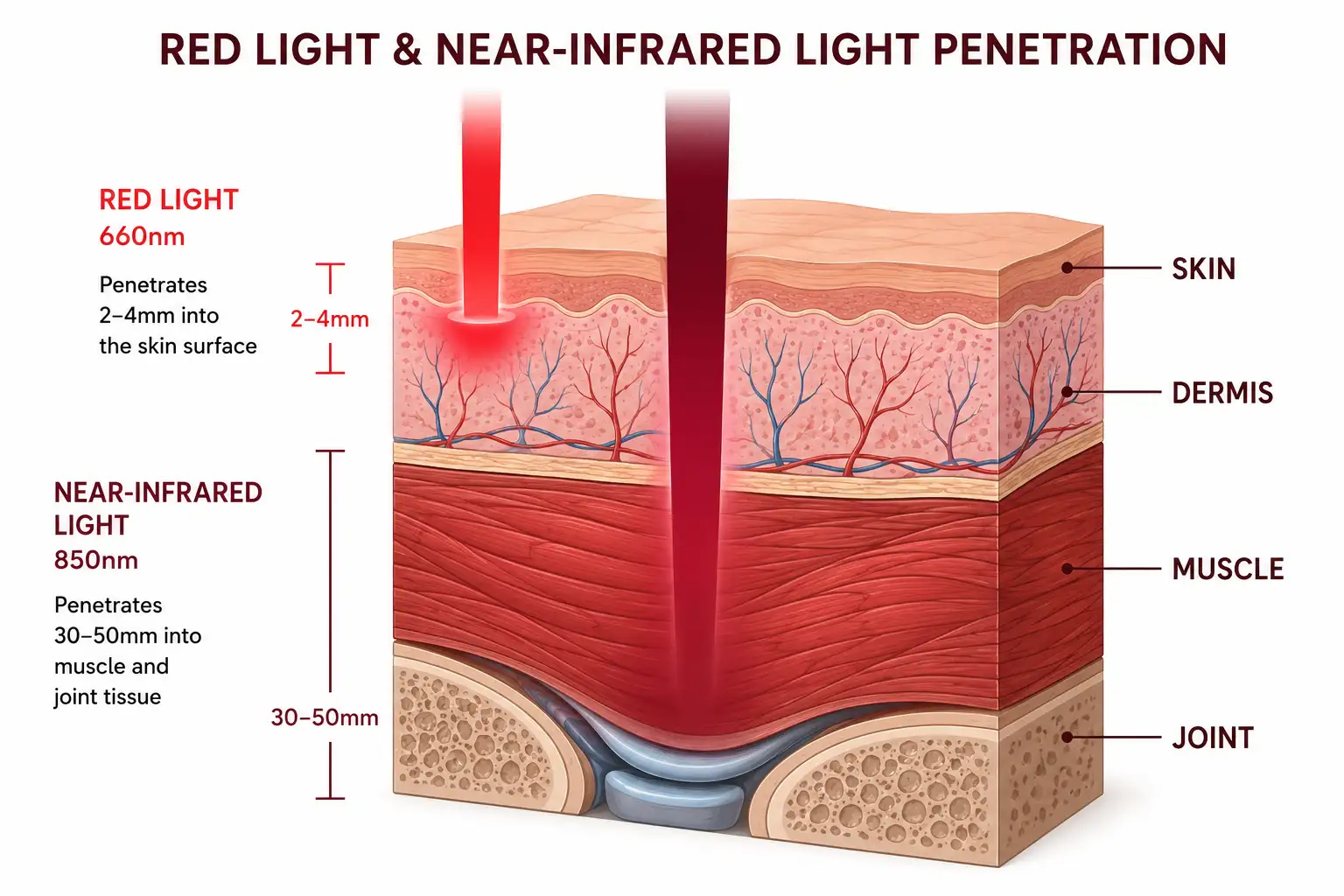
Two numbers appear again and again when people compare red light therapy devices: 660nm and 850nm. They are wavelengths, which means they describe the colour or type of light the device emits.
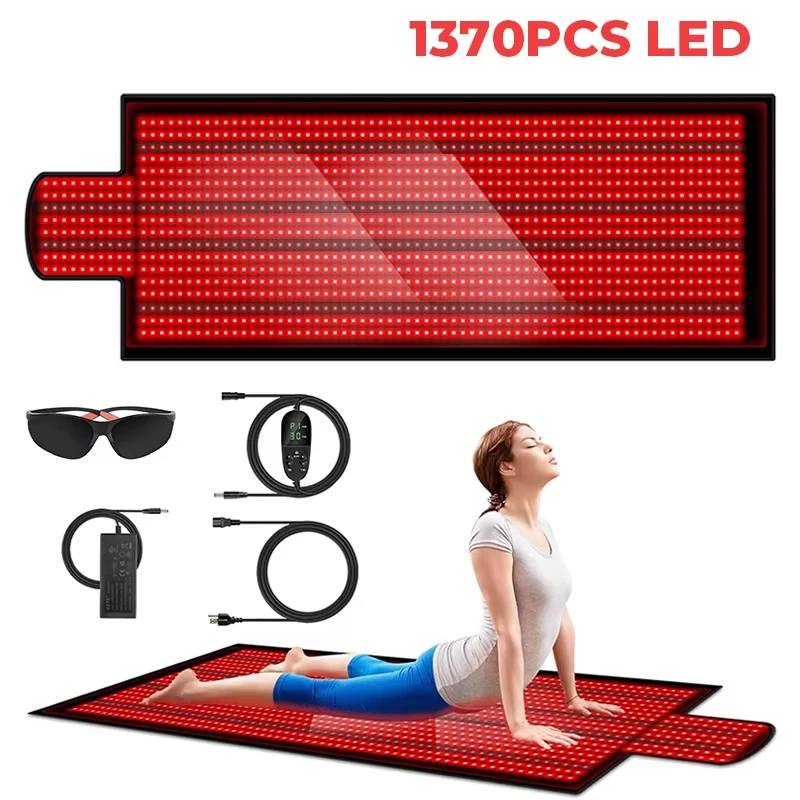
For a product example that includes both, see this Alpha whole body red light therapy mat and blanket option.
What 660nm means
660nm is visible red light. It is the light you can see, and it is commonly used in skin-focused and general wellness routines. Buyers often look for it when comparing masks, panels, mats and blankets.
For home shoppers, the important point is simple: 660nm is one of the common red light wavelengths. It should not be treated as magic, but it is a useful signal that the device is built around a recognised red-light range.
What 850nm means
850nm is near-infrared light. It is much less visible to the eye, and it is often included in devices aimed at recovery-focused routines. Many full body mats, blankets and belts combine 660nm and 850nm because buyers want both visible red and near-infrared output.
Near-infrared should still be used according to the product instructions. More time is not automatically better, and people with medical concerns should get professional advice before starting a new device routine.
Why dual wavelength devices are popular
Dual wavelength devices are popular because they make buying simpler. Instead of choosing between red and near-infrared, you get a device designed to include both. This is especially common in mats, blankets and belts where the buyer wants a broader home-use device.
The best way to compare products is to look at the full device, not only the wavelength numbers. Size, comfort, LED layout, controls, instructions and warranty all matter.
Buyer checklist
- Wavelengths: Look for clearly stated 660nm and 850nm details.
- Device type: Match the wavelength setup to the routine: mask, belt, mat, blanket or panel.
- Coverage: Larger devices are about convenience and area covered.
- Instructions: The best device is one you can use correctly and repeat safely.
- Support: Choose a seller that provides clear product information and setup guidance.
Common mistake
The common mistake is shopping by wavelength alone. A poorly fitting or awkward device can still be hard to use even if the wavelength numbers look good. Comfort and repeatability matter because a device left in the cupboard has no value.
If you are comparing full body options, the Alpha full body guide explains how mats, blankets and panels differ.
Final take
660nm and 850nm are useful buying signals, but they are only part of the decision. Use them to narrow your shortlist, then choose the device format that fits your space, comfort and routine.