Transparency note: This guide links to Alpha products where relevant so you can compare the device type mentioned.
Red light therapy mats and blankets are both built for larger-area home routines, but they feel different in day-to-day use. The better choice depends on how you prefer to sit, lie down, relax and store the device.
If you are comparing both formats now, start with the Alpha mats and blankets range.
The quick difference
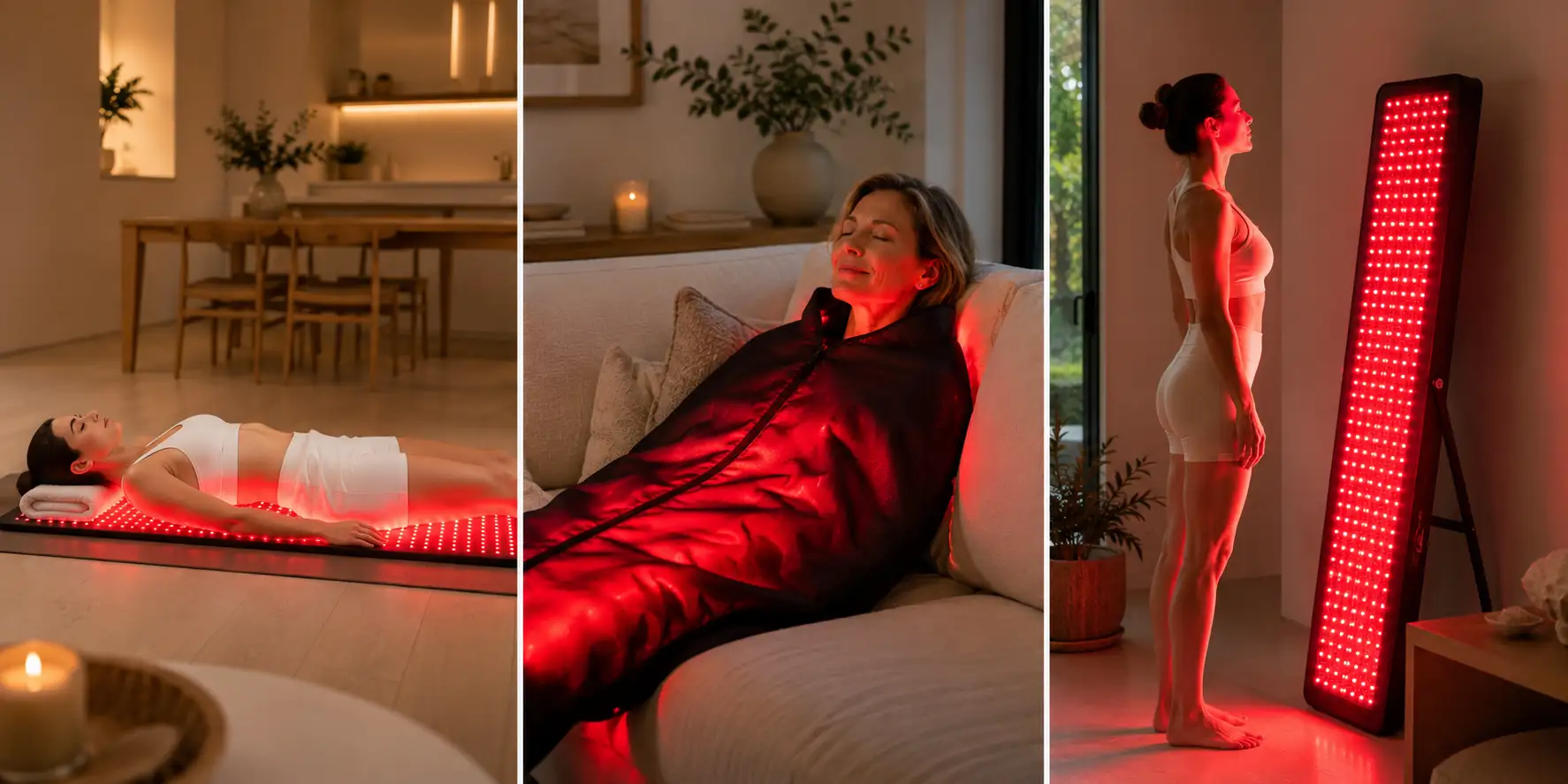
A mat is a flat surface you lie on. It is useful for the back, posterior chain, hips, legs and general recovery-focused routines. A blanket wraps around the body, which can feel more enclosed and relaxing for people who want broader coverage in one session.
Neither format is automatically better. A mat often feels more structured. A blanket often feels more immersive. The right answer is the one that fits your space and routine.
Choose a mat if you want structure
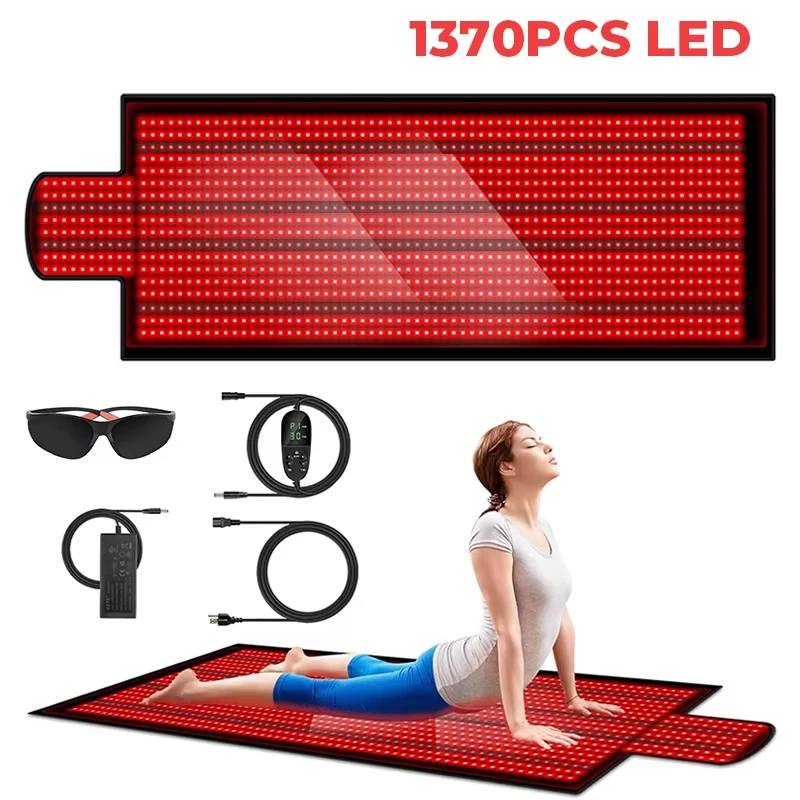
A red light therapy mat is easy to understand: place it flat, lie down, follow the session instructions and pack it away. This makes it a good fit for people who already stretch, meditate or recover on the floor after training.
Mats are also practical if your main focus is back comfort, posterior chain recovery support or a routine that does not require wrapping the device around you. They suit a simple, repeatable setup.
Choose a blanket if you want wraparound comfort
A blanket can be the better fit if you want a more relaxed, cocoon-style session. It can cover more angles at once and may feel easier for people who want the device to become part of a quiet evening routine.
The trade-off is handling. Blankets can be larger and need a little more care when folding, storing and positioning. If you like the feeling of being wrapped up, that trade-off may be worth it.
Buying checklist
- Room size: Make sure you have enough floor, bed or sofa space to use the device safely.
- Coverage: Compare length, width and how much of the body you want covered.
- Comfort: Think about whether you prefer lying on a device or wrapping it around you.
- Storage: A device that is easy to put away will be used more often.
- Wavelengths: Many buyers compare 660nm red light and 850nm near-infrared options.
What about panels?
Panels can suit people who want an upright setup, but they usually require positioning the body in front of the light and turning around for different areas. A mat or blanket is usually more passive, which is why many home buyers prefer them for recovery routines.
For a broader overview, read the full body red light therapy at home guide.
Final take
Choose the mat if you want a simple lie-down routine. Choose the blanket if you want wraparound coverage and a more relaxed session feel. Both can work well when the device is easy to use, easy to store and realistic to repeat.